
This investigation concerns potentially misleading product branding directed at Apple App Store users. Its central evidence is the publisher’s archived ChatGPT/GPT-4 wording, the Apple-adjacent name Find my Pods Air Tracker, and the account’s own public statements about scam apps and branded keywords.
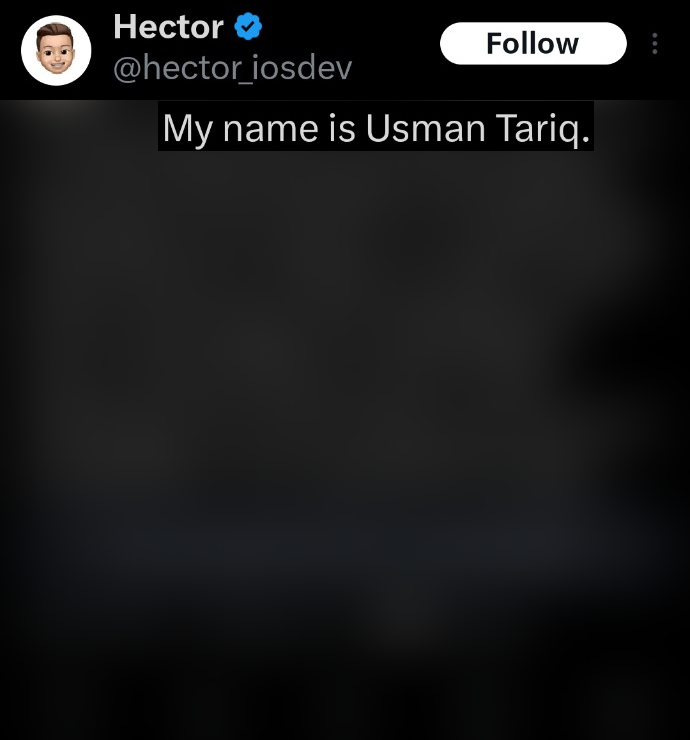
The connection starts with a name. In a supplied capture of a post dated 19 May 2023, the X account @hector_iosdev, displayed as Hector, introduces himself as Usman Tariq and describes himself as an independent iOS developer.
Hi Alex, My name is Usman Tariq.
Opening of the post shown in the supplied X capture, dated 19 May 2023.
The same publisher name appears on the AppsHunter developer page and on a separate AppBrain chatbot listing. Taken together, the records provide a traceable connection between a public self-identification and archived app metadata. They do not independently authenticate the X account holder or prove control of the Apple developer account.

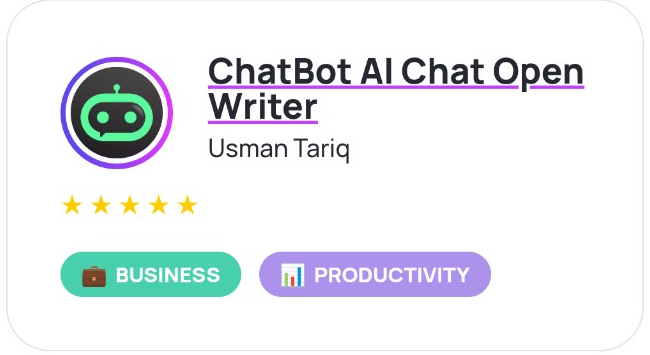
The account identifies itself. An app listing names the publisher.
The two captures below show the relevant statements directly: the X account introducing itself, and an AppsHunter app card placing Usman Tariq beneath the chatbot name. The crop removes the phone interface while keeping the wording, handle and post date visible.
X account information: Pakistan and two username changes.
The newly supplied X “About this account” capture displays Hector, @hector_iosdev, “Account based in Pakistan” and “Connected via Pakistan App Store”. It also reports two username changes, with the last change in May 2025, and an account join date of June 2020.
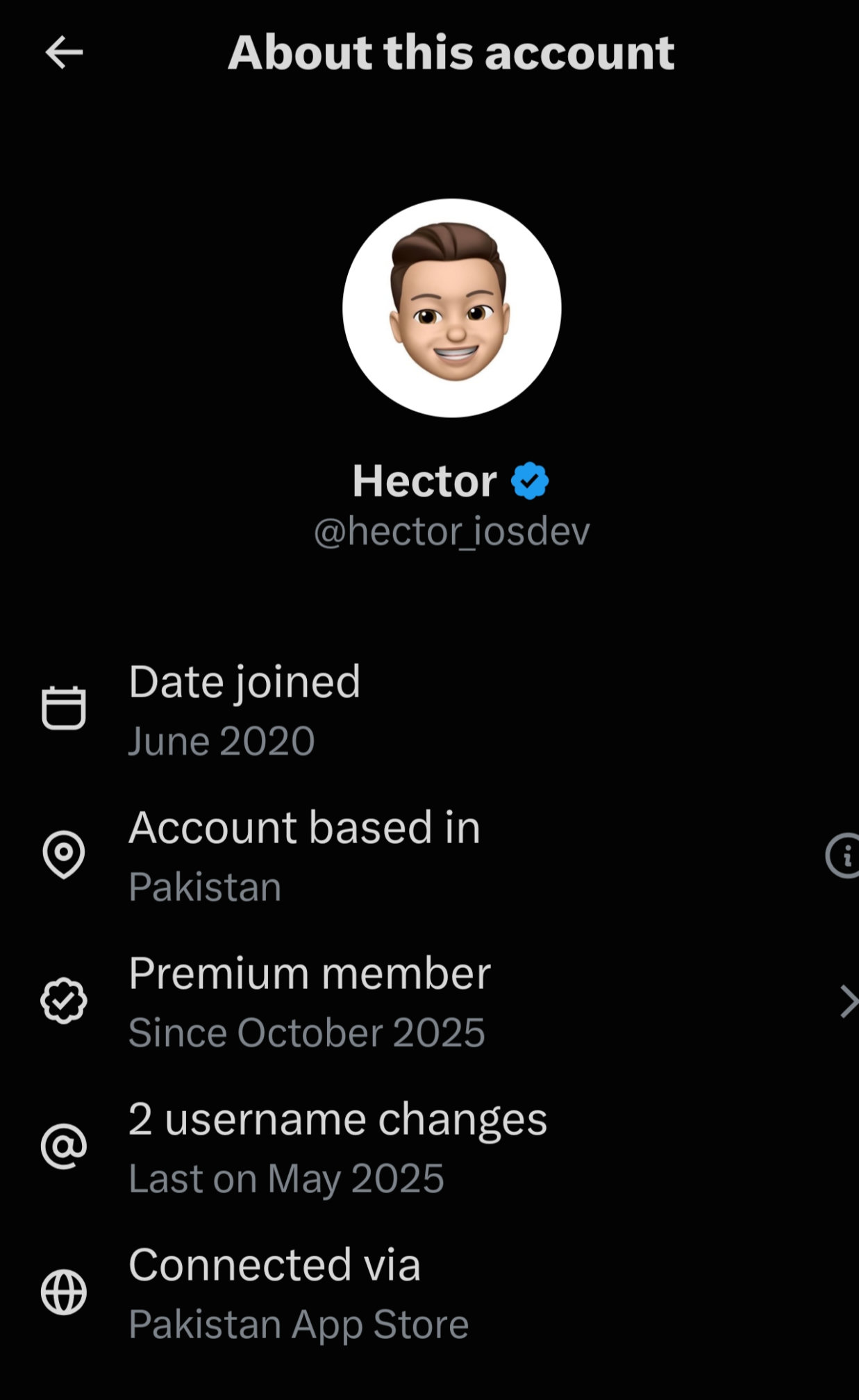
The Pakistan association is therefore supported in two supplied records: the account-information panel and the earlier first-person statement reproduced below. X’s displayed account/connection labels are kept distinct from a legal nationality or Apple developer-entity record.
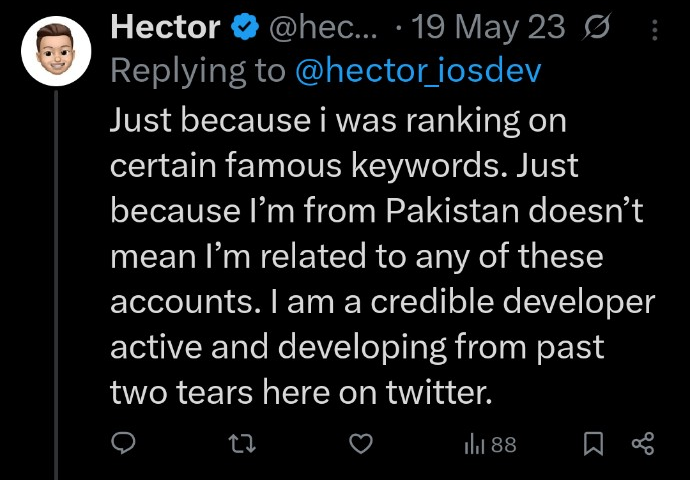
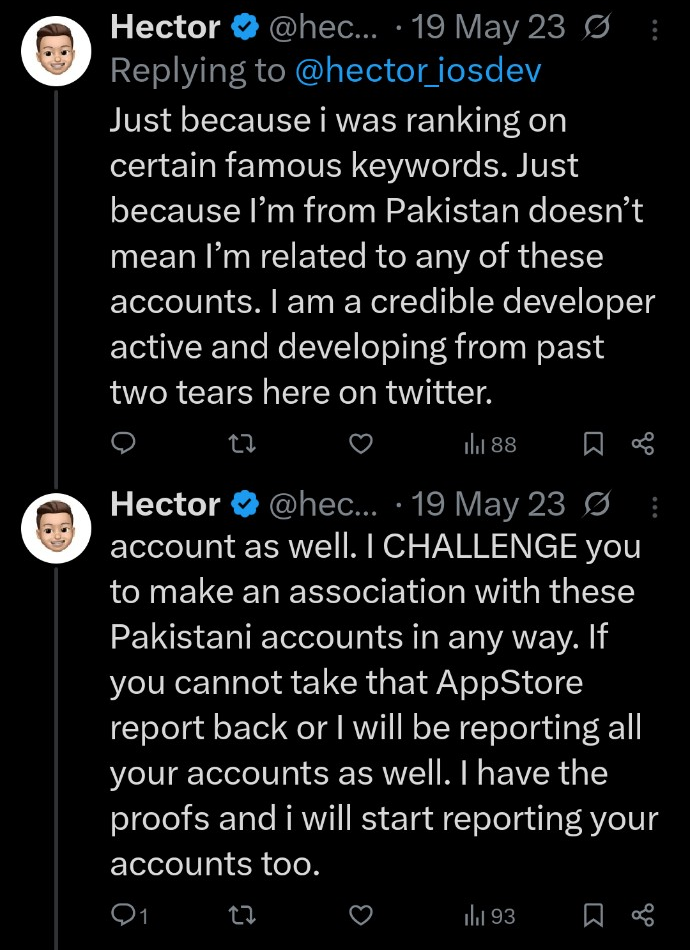
The earlier statement also identifies Pakistan.
In the supplied reply dated 19 May 2023, the account states that he is from Pakistan while rejecting alleged connections to other accounts. The complete relevant reply is retained so the geographic statement is not separated from its context.
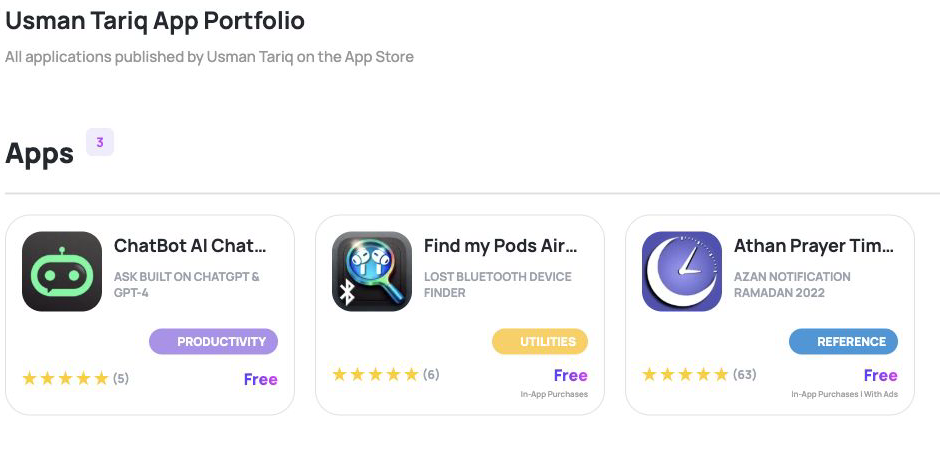
Three apps appear together under the developer name.
The developer portfolio numbered 1505062618 groups three apps under Usman Tariq: ChatBot AI Chat Open Writer, Find my Pods Air Tracker and Athan Prayer Time Muslim Qibla. The publisher-page capture above preserves that attribution in one view. The name is visible above the three app cards, rather than inferred from similarities between their icons.
ChatGPT branding appears in the subtitle and release notes.
The archived chatbot listing identifies Usman Tariq as its developer. It records a release on 28 March 2023 and version 1.0.2 on 12 May 2023. The subtitle uses “Ask Built on ChatGPT & GPT-4”. Its green robot icon is visually distinct from the OpenAI knot.
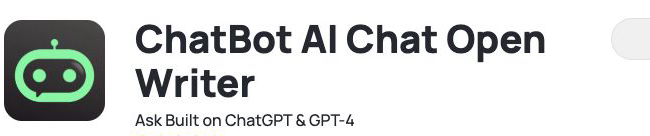
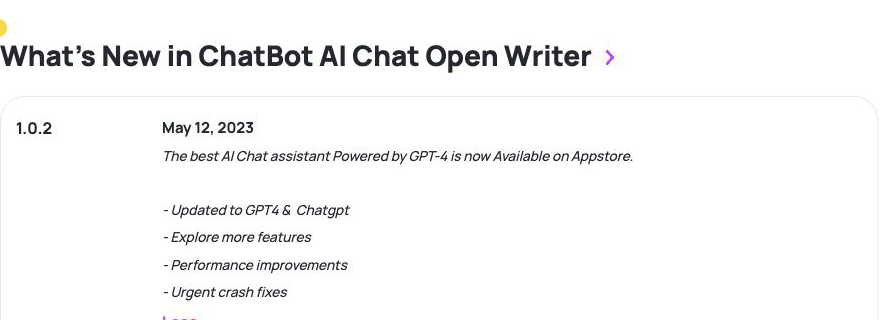
The branding concern is specific: ChatGPT appears in prominent product metadata, alongside an advertised connection to GPT-4. That presentation can encourage an association with OpenAI even though the archive names a different publisher. OpenAI’s current brand guidance calls for accurate relationships and presentation that avoids confusion over sponsorship or endorsement. The captures document the brand use; evidence of individual users being misled or historical authorization is not available in this record.
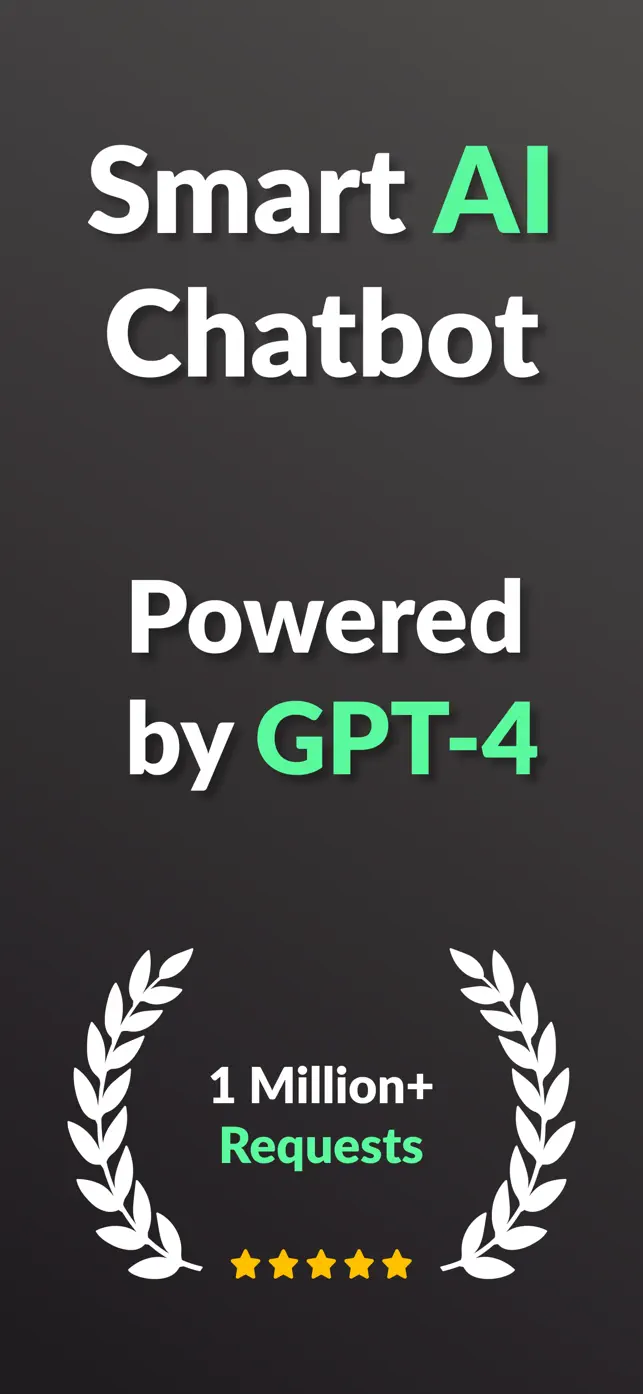
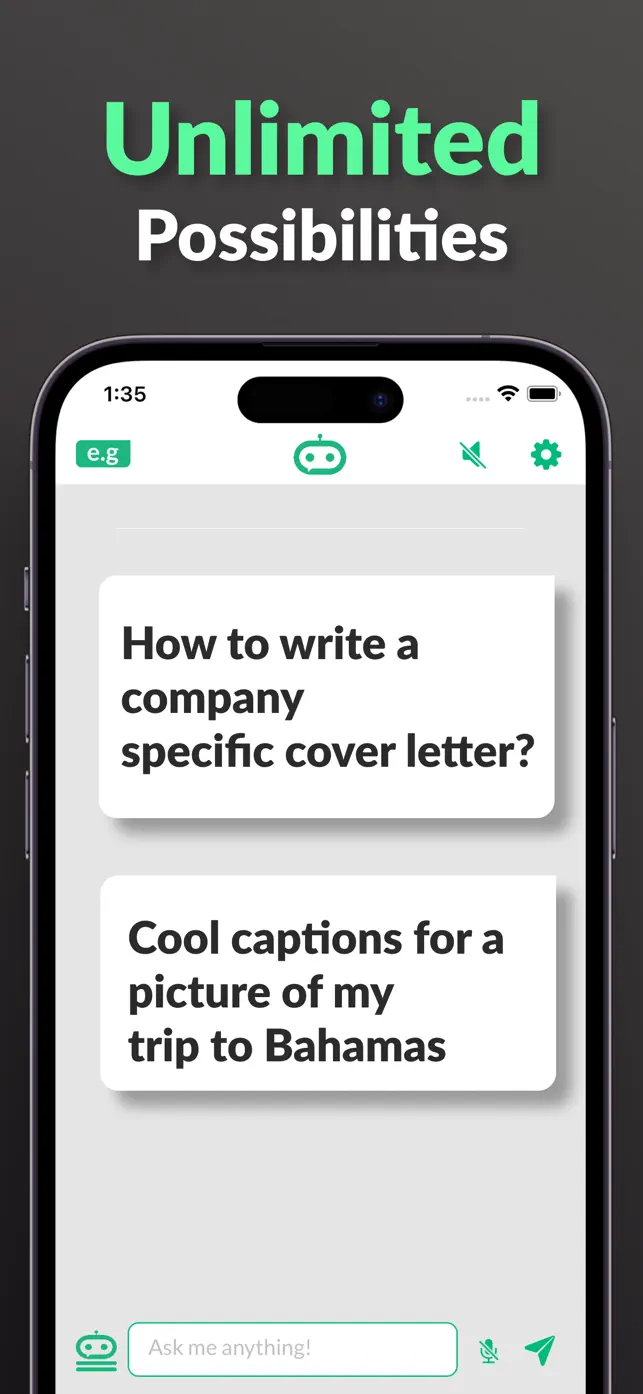
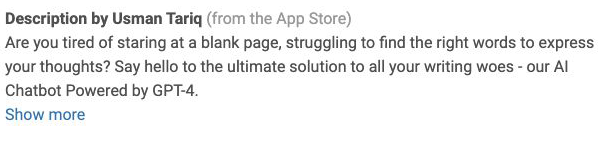
The original promotional artwork below advertises GPT-4 support and a request count exceeding one million. These images establish what was marketed. They do not independently verify which model the app actually used or how many requests it processed.
A second chatbot carries the same publisher name and identifier.

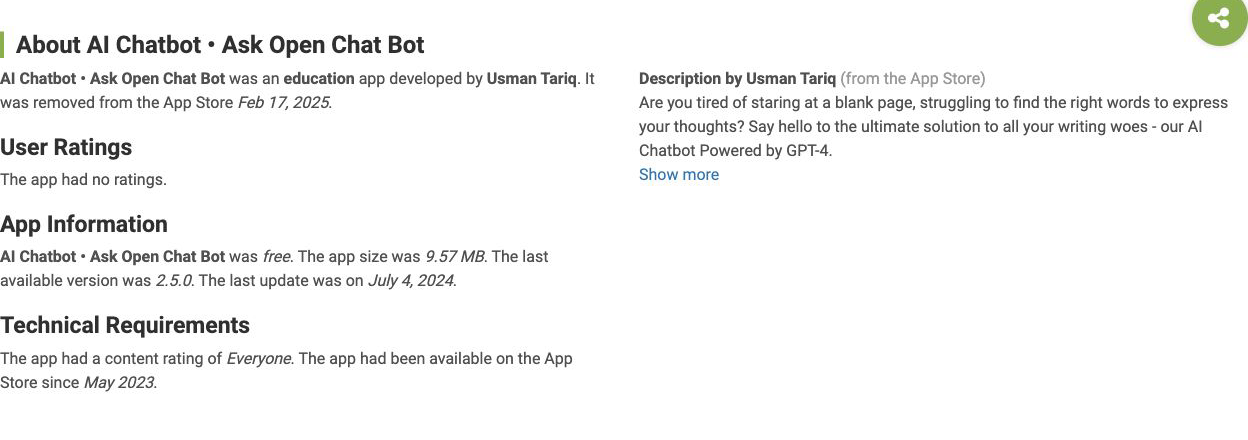
AppBrain’s record for AI Chatbot • Ask Open Chat Bot displays Usman Tariq as the publisher. The developer link contains the identifier 1505062618, matching the number in the AppsHunter portfolio. Its description also advertises GPT-4. The listing records version 2.5.0, an update on 4 July 2024 and removal from the App Store on 17 February 2025; it does not establish the removal reason.
The archived chatbot icon, beside the official ChatGPT reference.

The icons share a broad theme of interconnected curved forms, but their geometry is different. The archived third-party symbol combines white loops and rounded elements on black; OpenAI’s reference uses six interwoven bands around a central opening. The comparison makes the potential visual association inspectable without describing the designs as identical.
Find my Pods Air Tracker: familiar Apple terms in a different order.
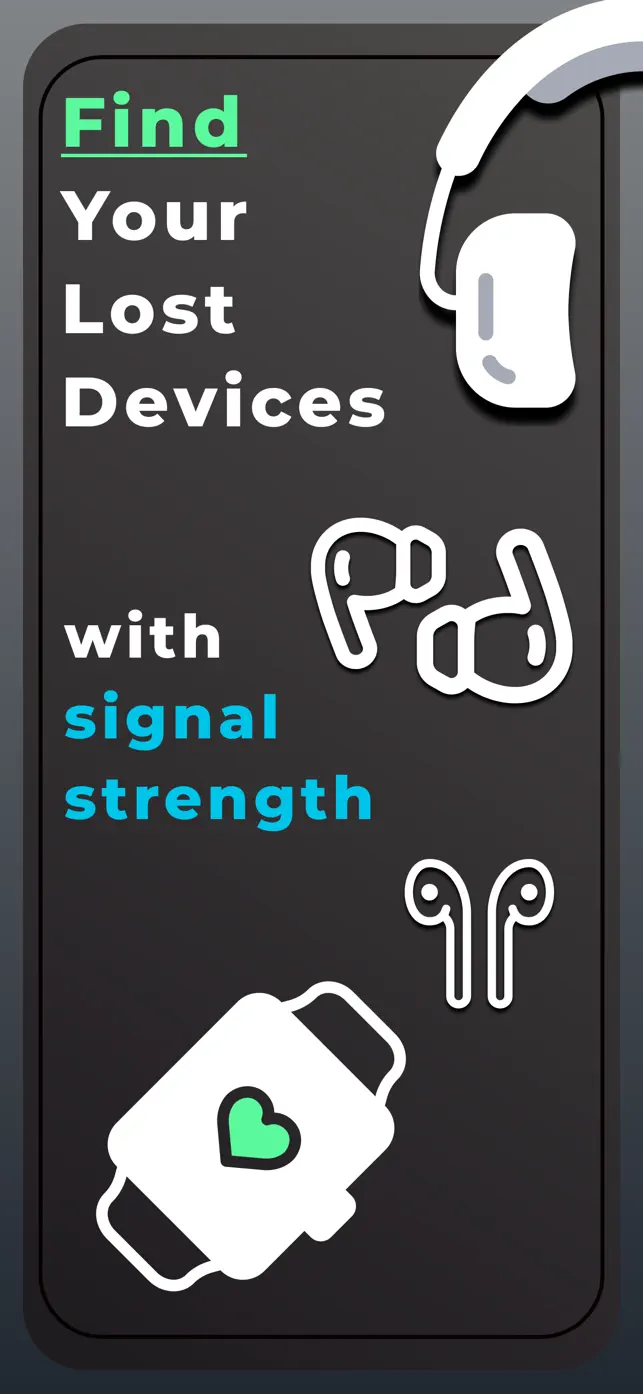
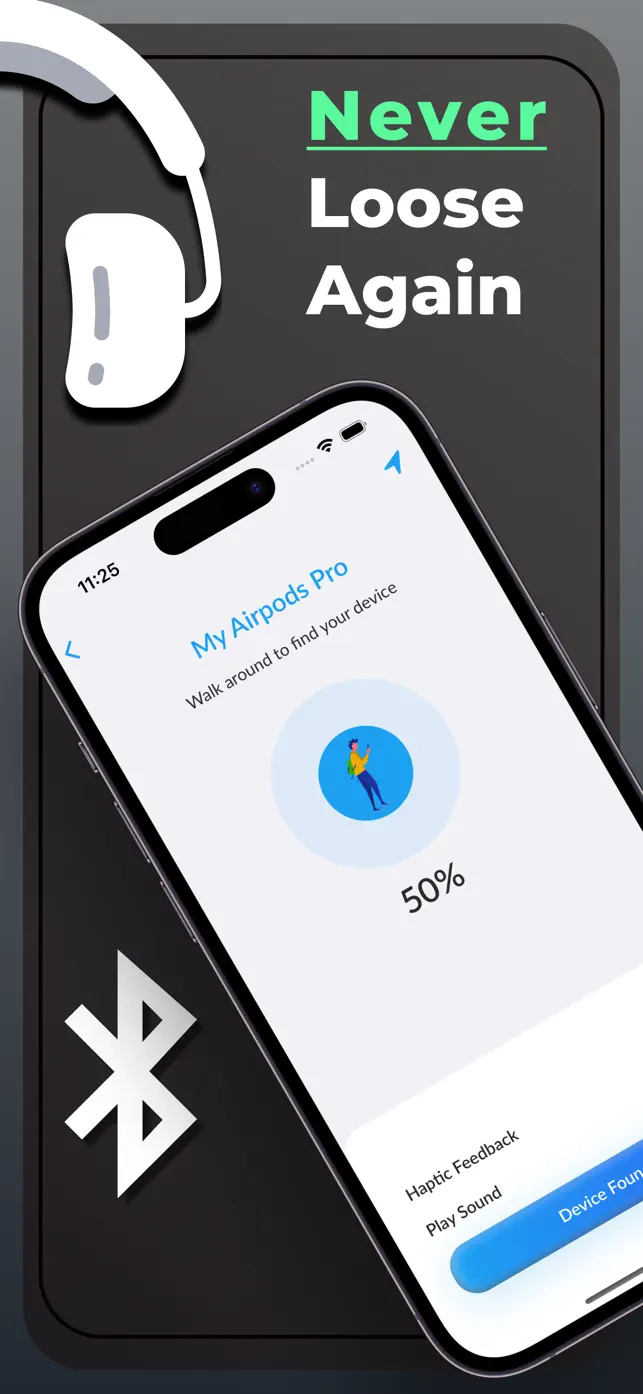
Find my Pods Air Tracker appears in the same developer portfolio and has its own archived listing naming Usman Tariq. The page records a release on 16 January 2023. The preserved artwork promotes locating lost Bluetooth devices and following their signal strength. Its association with the portfolio is documented; that association is not evidence that the device-finder app itself was deceptive.
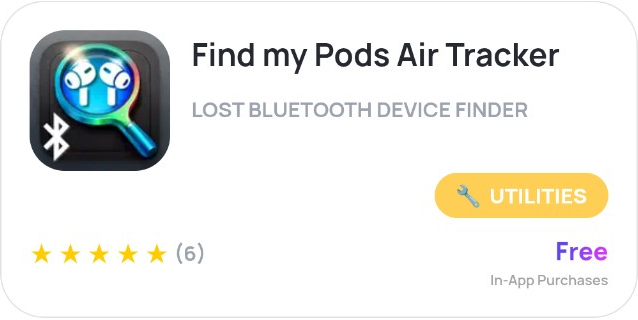
The name retains two recognizable Apple associations. Apple’s trademark list identifies AirPods and Find My as Apple marks. The app title uses “Find my” and separates/reverses the AirPods word sequence into “Pods Air”. Its artwork also depicts recognizable wireless-earbud shapes.
This is a concrete naming concern: the listing keeps familiar product associations while changing the exact wording. The hypothesis that this arrangement was intended to evade Apple review is an inference, rather than a fact established by the title alone. No internal review correspondence or statement of that intention is present in the supplied evidence.
A prayer utility completes the three-app portfolio.

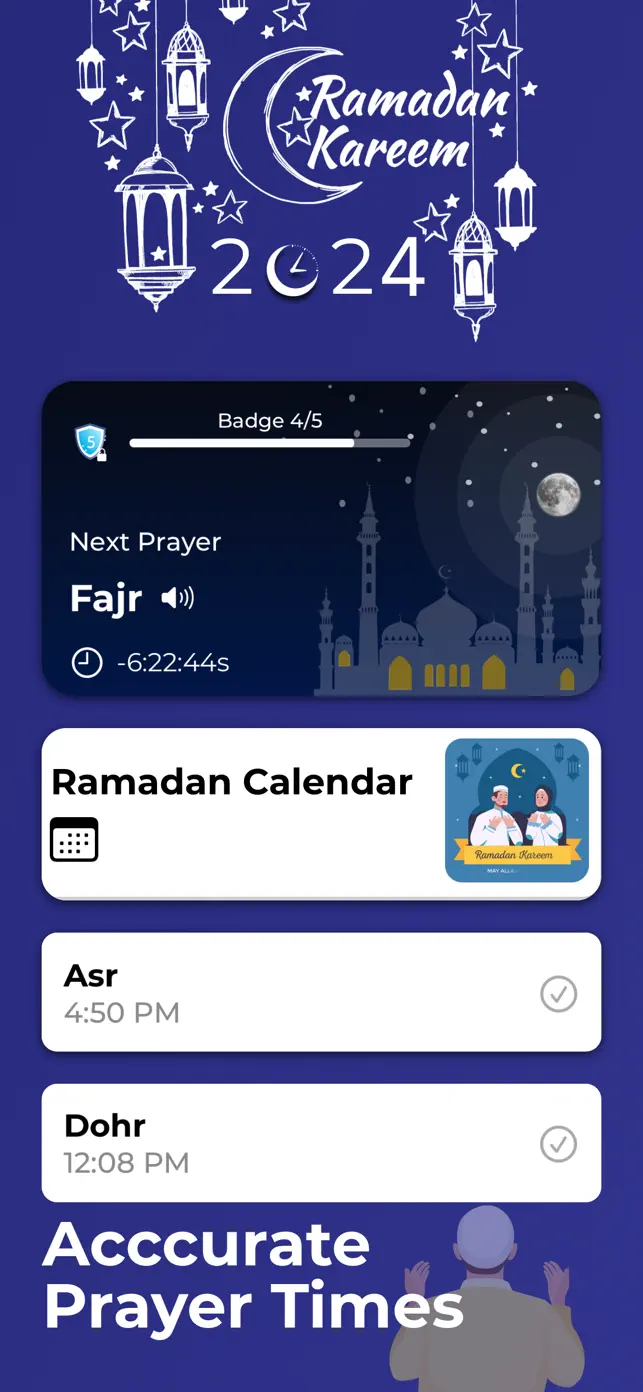
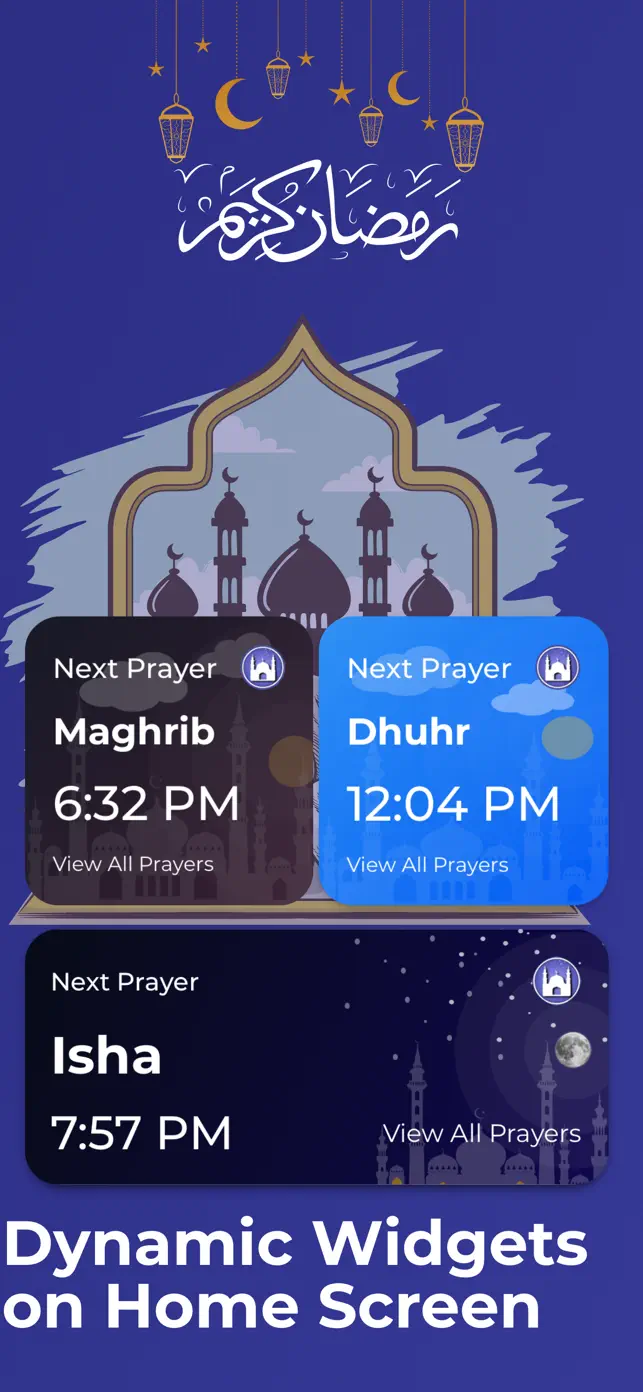
Athan Prayer Time Muslim Qibla is the third app grouped under Usman Tariq in the portfolio capture. Its archived page and original images promote prayer-time and calendar features. It is included to document the publisher’s public app portfolio, without extending the chatbot branding concerns to an unrelated product function.
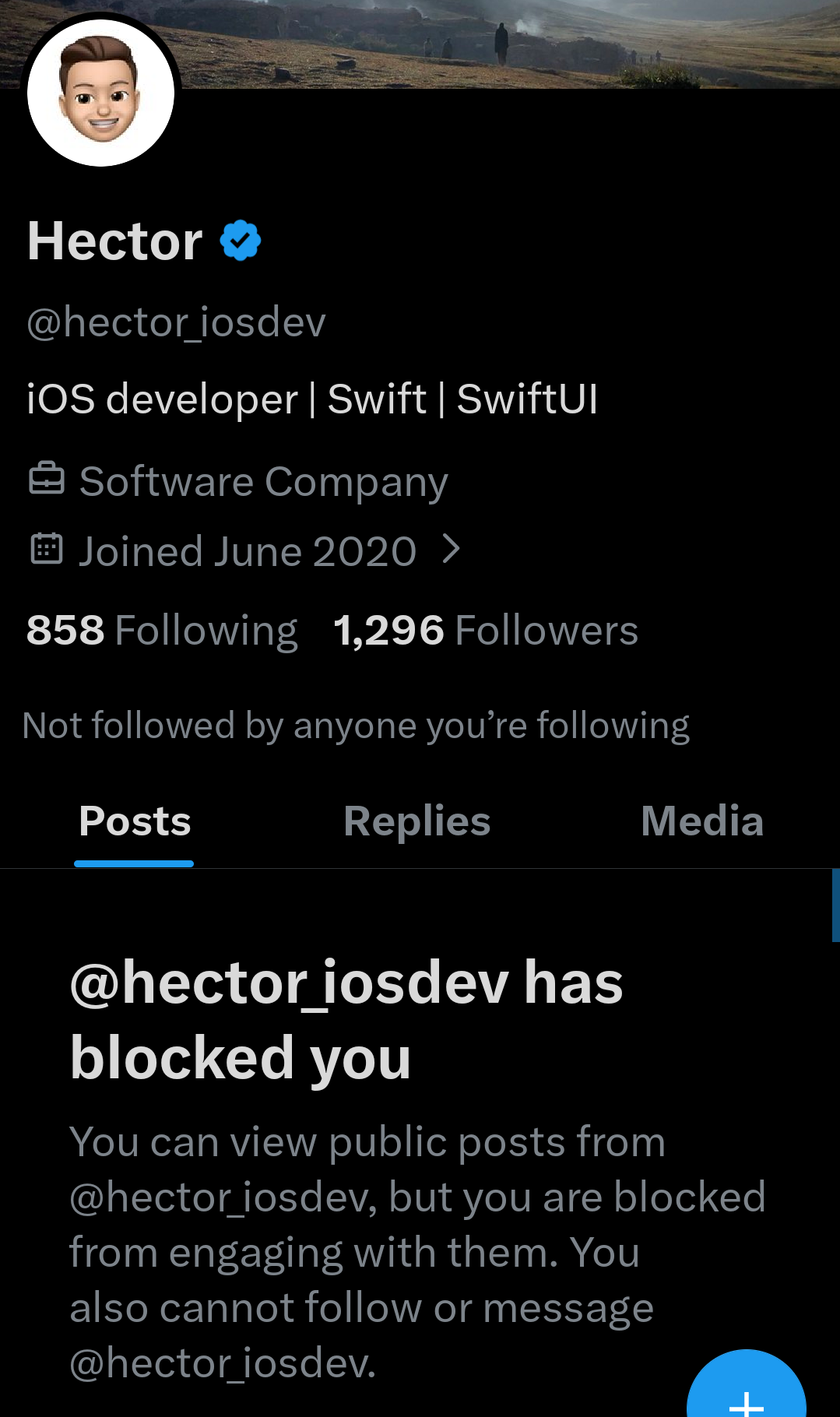
Scam accusations, branded keywords and the account’s own app record.
The newly supplied conversation captures show Hector criticizing other App Store listings, describing them as scam apps and alleging that some developers have insiders helping them. These are the account’s accusations about other developers and Apple’s review process; the images do not independently establish those alleged insider relationships.
And we get rejected for merely putting a branded keyword in keywords field that is not even visible to anyone.
Hector’s wording in a supplied conversation capture. The rejected app and keyword are not identified in the visible text.
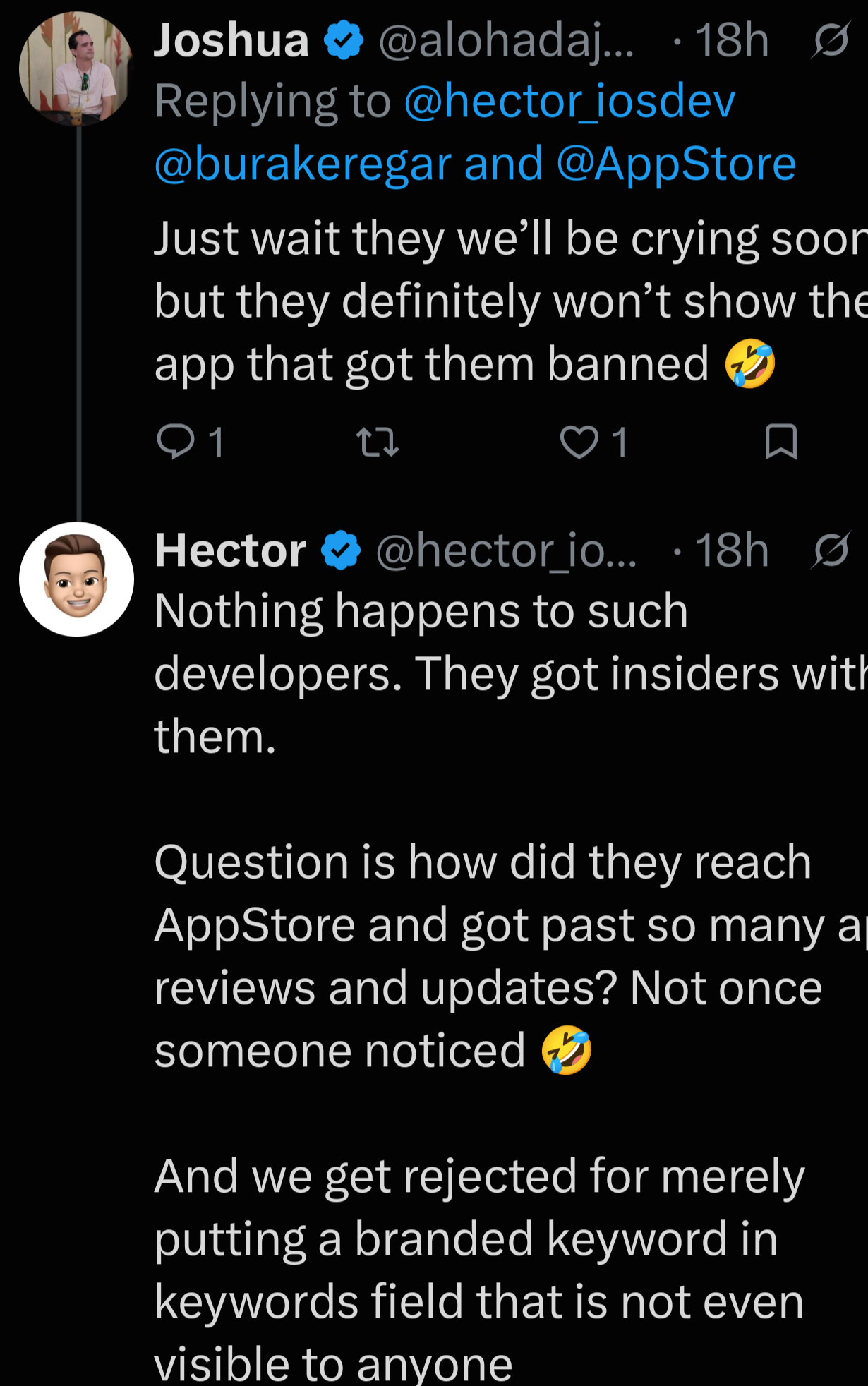
That complaint can be compared directly with his own publisher record: the chatbot subtitle visibly invokes ChatGPT and GPT-4, the release notes repeat those names, and the device-finder title uses Apple-adjacent wording. The documented double-standard concern is about branding: demanding scrutiny of other developers’ use of established names while his own archived listings also relied on recognizable product brands.
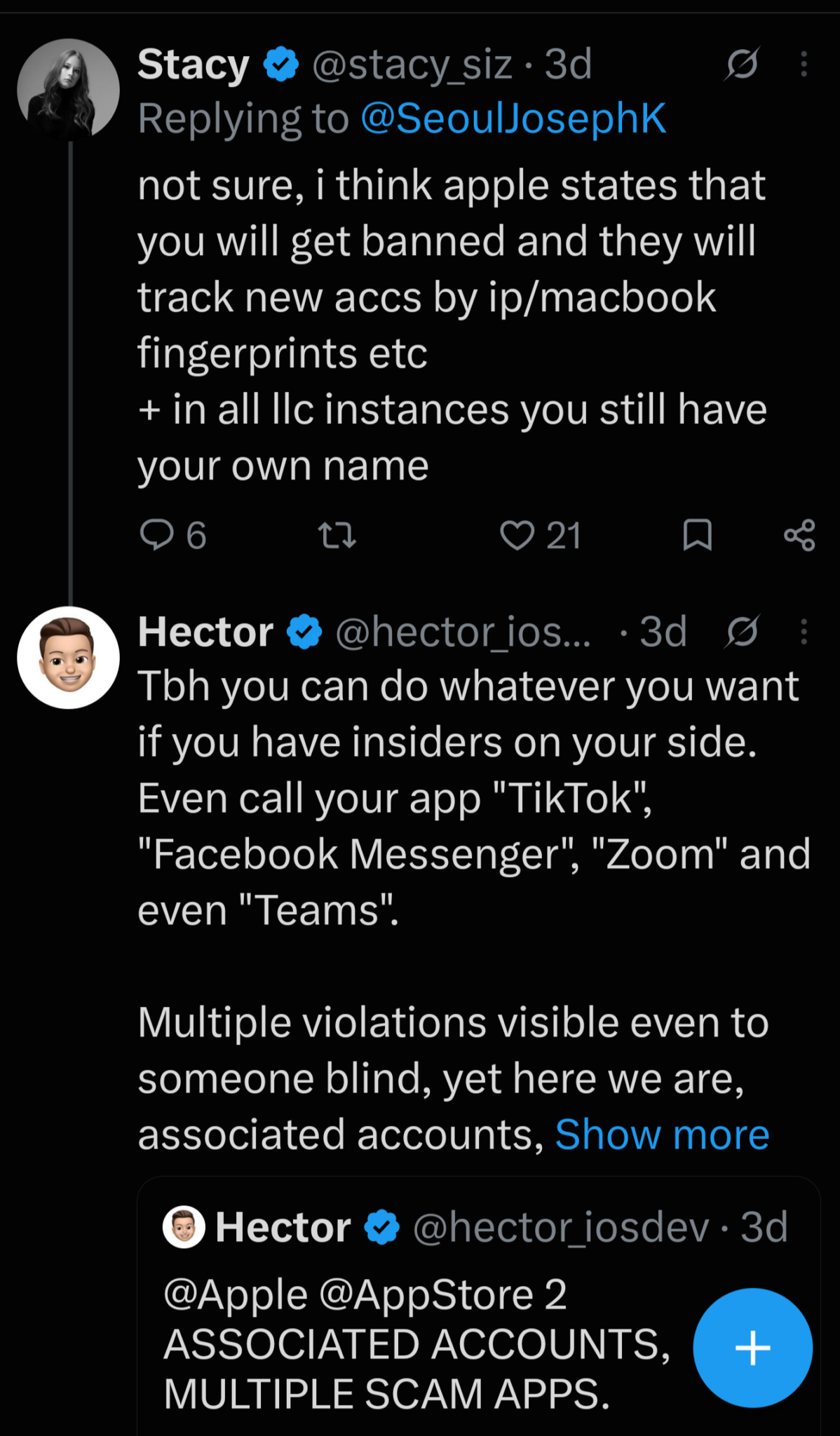
View four further supplied conversation captures
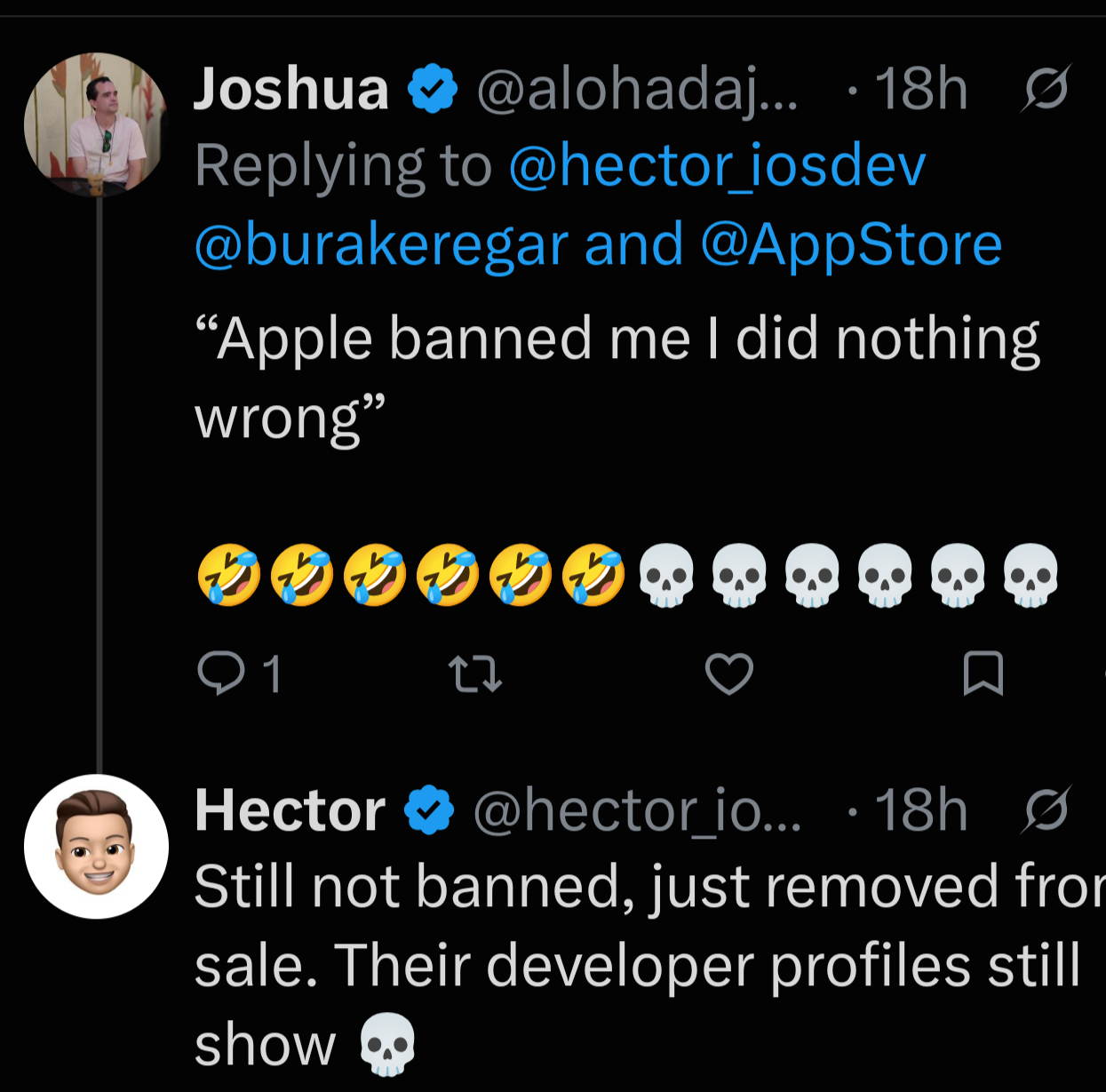
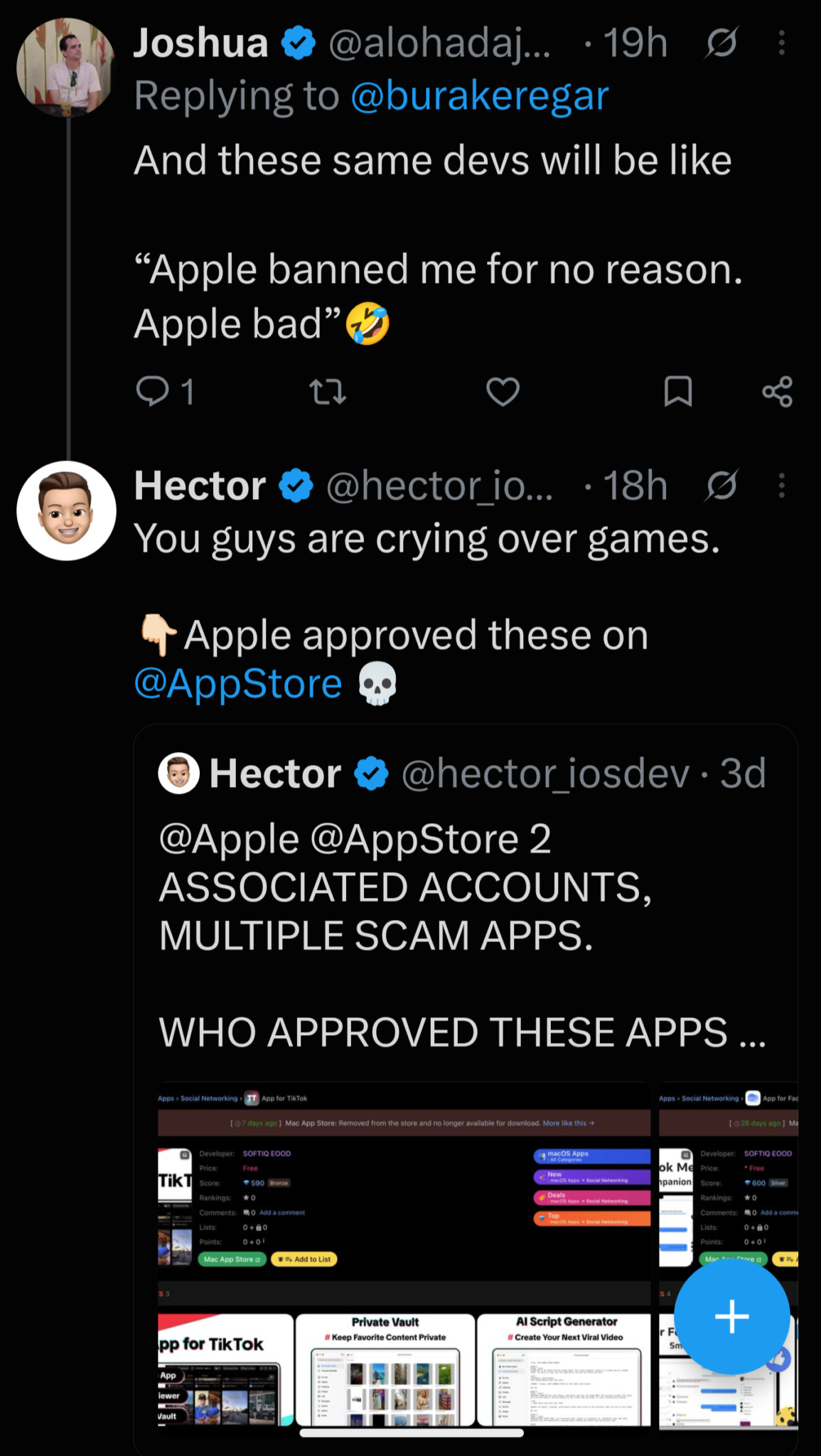
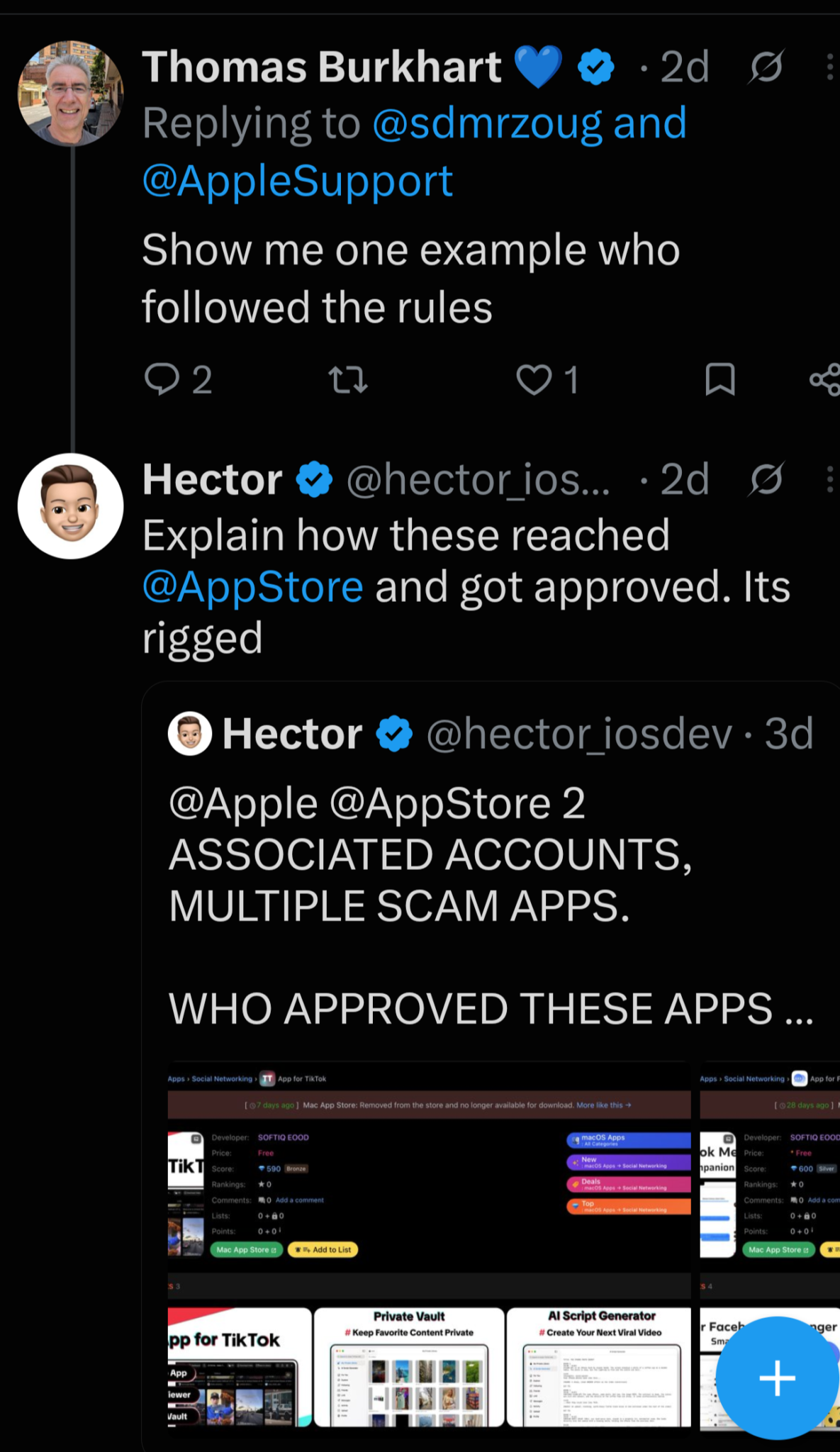
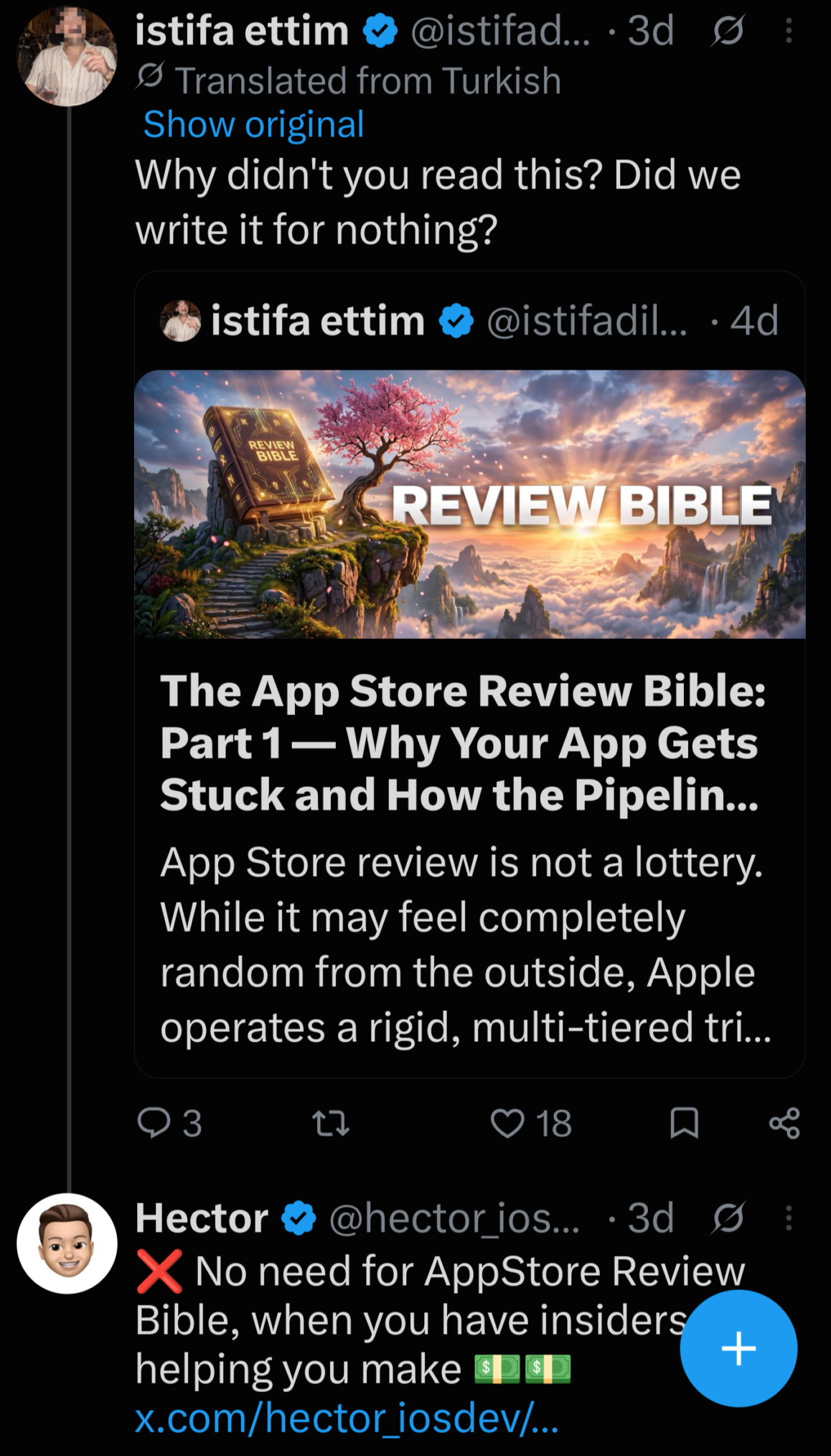
The case for scrutiny is the documented presentation and attribution.
The record connects a first-person name statement, a matching publisher name, app identifiers and source-page captures. It preserves actual ChatGPT/GPT-4 marketing, Apple-adjacent naming and the account’s later supplied statements condemning other apps. The new X account panel adds a displayed Pakistan location and a recorded username-change count.
The investigation concerns potentially misleading branding on Apple’s App Store. Intent, actual model delivery, consumer losses and Apple’s internal review decisions require evidence beyond these public records and supplied captures. The source material supports the branding comparison and attributed statements; it does not turn allegations of insiders or deliberate review evasion into established facts.